The premium smartphone market in 2026 is more competitive than ever, but one device that shook the industry at the beginning of the year was the Samsung Galaxy S26 Ultra. Launched in March 2026, it brought massive promises: a radical design shift, the cutting-edge Snapdragon 8 Elite Gen 5 processor, and a highly-debated “Privacy Display” technology.
However, initial reviews only tell the story of a brand-new device. The real test of a flagship begins after the hype settles. Now that we have spent a solid 90 days with this phone as our primary daily driver, it is time for a comprehensive, unfiltered look.
In this Samsung Galaxy S26 Ultra long-term review, we will analyze how the titanium-alternative body holds up, whether the battery can survive the intense Indian summer, if the camera upgrades are worth the premium, and if you should spend your hard-earned money on it in mid-2026.
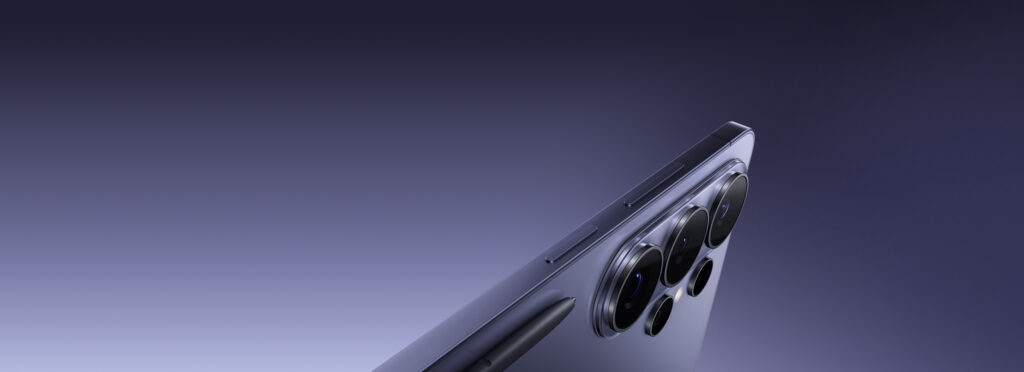
1. Design and Build Quality: A Shift Toward Practicality
For the past few years, Samsung’s Ultra lineup was notorious for its sharp, boxy corners that felt like they were digging into your palms during extended usage. With the Galaxy S26 Ultra, Samsung has finally addressed this major ergonomic flaw.
Ergonomics & Everyday Feel
Samsung has subtly rounded off the sharp edges while maintaining the iconic premium silhouette. The device is significantly more comfortable to hold for long hours of gaming or reading.
More importantly, Samsung managed to trim the thickness down to just 7.9mm and replaced the traditional titanium with an optimized alloy called Armor Aluminum 2. This engineering choice dropped the overall weight to 214 grams. In daily use, the phone feels noticeably lighter and less top-heavy compared to its predecessor.
90-Day Wear and Tear
After three months of daily use without a protective case, the structural durability has proven to be top-tier. The satin-finish back panel does an excellent job of resisting oily fingerprints and smudges.
However, there is one practical flaw: the new “ambient island” camera module on the back, while looking extremely modern, acts as a dust magnet. Dust particles easily accumulate around the individual camera lenses, requiring frequent cleaning if you like keeping your device pristine.
2. The Display: Peak Brightness Meets Privacy Protection
Samsung’s display division rarely misses the mark, and the 6.9-inch Dynamic LTPO AMOLED 2X panel on the S26 Ultra is arguably the finest screen on any smartphone in 2026. It features a variable refresh rate of 1Hz to 120Hz and achieves an incredible 2600 nits of peak brightness. Even under direct, harsh midday sunlight, reading tech blogs or navigating via Google Maps is completely effortless.
| Display Feature | Specifications & Real-World Impact |
| Screen Size & Type | 6.9-inch Dynamic LTPO AMOLED 2X |
| Peak Brightness | 2600 nits (Flawless outdoor legibility) |
| Refresh Rate | 1Hz – 120Hz (Highly power efficient) |
| Special Hardware | Flex Magic Pixel (Privacy Display Technology) |
The “Flex Magic Pixel” Privacy Tech
The standout feature this year is the hardware-level Flex Magic Pixel (Privacy Display). With a simple toggle in the quick settings panel, the display limits the viewing angles. If someone is sitting next to you on a bus, metro, or in a classroom, the screen appears completely dark and unreadable to them, while remaining clear to you.
After 3 months of testing, we can confirm this feature works exceptionally well for secure chatting and banking in public. However, you should note that turning on the privacy mode slightly reduces the overall color vibrancy and brightness. Therefore, it is best to keep it turned off while streaming high-quality HDR content on Netflix or YouTube.
3. Performance & Thermals: Snapdragon 8 Elite Gen 5 Testing
Under the hood, the Galaxy S26 Ultra runs on a custom-tuned Snapdragon 8 Elite Gen 5 processor, paired with 12GB of LPDDR6 RAM in the base model.
Day-to-Day Tasks
In terms of regular smartphone operations—such as multi-tasking, jumping between heavy social media apps, handling continuous Slack threads, and casual photo editing—the S26 Ultra performs flawlessly. One UI 8.5 (built on Android 16) is highly optimized, and micro-stutters are completely non-existent. Apps stay preserved in the background memory for hours without forcing a reload.
Extreme Summer Gaming Performance
Since we are currently experiencing peak summer temperatures, we put the phone through rigorous thermal testing. We played BGMI (Battlegrounds Mobile India) and Genshin Impact at maximum graphical settings in a non-air-conditioned room with an ambient temperature of around 38°C.
- First 20 Minutes: The gameplay remains locked at a buttery-smooth 90 FPS / 60 FPS without any frame drops.
- After 20 Minutes: The phone’s internal cooling mechanism spreads the heat evenly across the back panel, making it feel quite warm to the touch.
- The Throttling Impact: To protect internal components from overheating in the summer heat, One UI triggers aggressive thermal throttling. This results in minor frame drops and stuttering during intensive graphical sequences. If you are a hardcore competitive mobile gamer, using an external mobile cooling fan during summers is highly recommended.
4. Camera Quality: Have Software Updates Fixed the Bugs?
The camera hardware on paper looks identical to last year, featuring a 200MP main sensor, a 50MP ultra-wide, a 10MP 3x telephoto, and a 50MP 5x periscope lens. However, Samsung has upgraded the primary and 5x periscope lenses with a significantly wider $f/1.4$ aperture.
Launch-day software is often buggy, but after 3 months of continuous OTA updates, the camera system has reached its peak potential.
Photography Breakdown
- Daylight Performance: The 200MP main shooter captures stunning dynamic range with sharp details. Samsung has toned down its aggressive sharpening algorithm, resulting in much more natural-looking leaves, textures, and skin tones. Most importantly, shutter lag has been completely eliminated.
- Low-Light & Nightography: The wider $f/1.4$ aperture allows the camera to pull in massive amounts of light naturally without relying too heavily on artificial software night modes. Night shots look exceptionally clean with minimal grain or noise in the shadows.
Videography & Horizon Lock
For content creators, the addition of Horizon Lock Stabilization is a massive win. You can physically tilt or rotate the smartphone while recording video, and the software ensures the frame remains perfectly level with the horizon. It effectively mimics an expensive action camera setup.
5. Battery Life and the 60W Charging Revolution
For years, users criticized Samsung for limiting its premium flagships to 45W charging speeds. The Galaxy S26 Ultra finally breaks that restriction by offering 60W fast wired charging to fill its large 5000 mAh battery.
- Charging Speed: Using a compatible Power Delivery (PD) charger, the phone goes from 0% to 75% in exactly 30 minutes, and a full charge takes just around 52 minutes.
- Battery Endurance: Even with the display set to maximum resolution, location tracking active, and regular outdoor use, the S26 Ultra consistently delivers between 7.5 to 8.5 hours of Screen-on-Time (SoT). For the vast majority of users, this is safely a 1.5-day smartphone on a single charge.
6. Pros and Cons
To give you a quick summary, here are the major advantages and disadvantages we observed after 90 days of continuous use:
Pros
- Superb Ergonomics: The 7.9mm slim profile and rounded corners make a massive difference in comfort.
- Practical Privacy: The Flex Magic Pixel display is a lifesaver for people who commute frequently.
- Upgraded Charging: The jump to 60W charging saves a significant amount of time daily.
- Flawless Night Camera: The wider $f/1.4$ aperture delivers industry-leading low-light photos.
Cons
- Thermal Management: Noticeable performance throttling occurs during heavy summer gaming sessions.
- Base Variant Limits: Paying over ₹1.1 Lakh and still getting 12GB of RAM instead of 16GB feels slightly restrictive.
- Dust Accumulation: The rear camera island requires constant wiping.
7. Final Verdict: Is It Worth It in Mid-2026?
Starting at a premium price of ₹1,16,490 in India, buying the Samsung Galaxy S26 Ultra is undoubtedly a major financial investment.
If you bought this phone at launch, you might have faced minor software optimization issues. However, after 3 months of continuous refinement, Samsung has ironed out the bugs. The battery life has stabilized, the camera processing is highly mature, and the performance remains unmatched in the Android ecosystem.
If you want an uncompromising Android device with a highly practical privacy screen, beautiful ergonomics, and long-term 7-year software support, the Galaxy S26 Ultra is worth every single rupee in mid-2026.
Frequently Asked Questions (FAQs)
Q1. Does the Samsung Galaxy S26 Ultra support expandable storage?
No, the Galaxy S26 Ultra does not feature a microSD card slot. It is available in 256GB, 512GB, and 1TB storage variants, so you must choose your storage capacity carefully at the time of purchase.
Q2. Is the 60W charger included inside the retail box?
No, keeping up with environmental policies, Samsung does not include a charging adapter in the box. You only get a USB Type-C to Type-C cable, and you will need to purchase a compatible 60W PPS fast charger separately.
Q3. How long will the Galaxy S26 Ultra receive software updates?
Samsung officially promises 7 years of major Android OS upgrades and 7 years of security patches for the S26 Ultra, meaning the device is fully supported until 2033.
[…] a lighter traditional form factor, you are better off looking at standard slab flagships like the S26 Ultra or iPhone 17 Pro […]
[…] Explore our previous post : Click here […]